
Artficial Intelligence
Top Rated
AI@70 in Dubai: Reframing the Next Seventy Years of Artificial Intelligence
Seventy years after artificial intelligence was first defined at Dartmouth College, the field has reached a turning point. Technical capability is accelerating, but global alignment on governance, ethics, and long-term responsibility is not. AI@70 in Dubai brings together researchers, policymakers, and institutional leaders to address this gap, extending the AI conversation beyond short policy cycles and toward a shared vision for the year 2096.



Business
Popular
Kuwait’s Female-Led Startup Economy and Why Investors Are Paying Attention
When global media discusses the Gulf, the conversation often defaults to state-led megaprojects or...


Government
Latest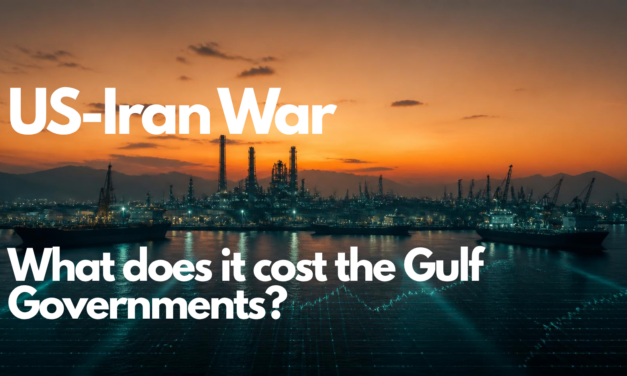
Six Months of War: What It Has Cost Gulf Government Budgets
The Strait of Hormuz closure broke the usual link between high oil prices and full Gulf treasuries. Six months later, Saudi Arabia and Kuwait are running deficits that outpaced their own projections, sovereign wealth funds have redirected capital toward domestic defense, and Oman's ports have become the region's only reliable trade route. Here is what the first two quarters actually cost, country by country.



GCC Nationalization Quotas: How Gulf Hiring Rules Changed
Saudi Arabia and the UAE now enforce strict national hiring quotas on private companies. This piece breaks down the compliance rules, the penalties, and how employers are adapting through female STEM recruitment, job restructuring, and regional talent hubs.
Read More
SME AI Adoption in the GCC: What Actually Works on a Small Budget
Enterprise conglomerates are pouring billions into GCC AI infrastructure, but small businesses are working with a fraction of that budget. This piece breaks down the actual funding programs, open-source tools, and compliance steps that let SMEs in Saudi Arabia, the UAE, Oman, and Bahrain adopt AI without the enterprise price tag, plus a four-phase rollout plan operators can start this quarter.
Read More
AI Governance in the Gulf: Budgets Shape the Rules
National budgets, not just policy goals, determine how AI regulation takes shape across the Gulf. Saudi Arabia and the UAE fund sovereign oversight systems and dedicated regulators, setting the pace for the region. Oman and Bahrain manage tighter fiscal constraints and rely on cloud-first, cost-efficient governance instead. This divide raises compliance costs for SMEs and local developers and creates fragmented rules across borders. The article breaks down each country’s approach and gives concrete recommendations for executives and regulators navigating the gap.
Read More
Saudi entertainment jobs: Vision 2030’s most successful employment story
Saudi Arabia went from zero commercial cinema screens to more than 700 in eight years. Behind that growth sits a strict new compliance system, Nitaqat Mutawar, that gives employers no middle ground between full compliance and a hiring freeze. This piece follows one Riyadh event manager building a compliant local team in real time, plus the quotas, salary thresholds, and cross-GCC comparison every operator needs.
Read More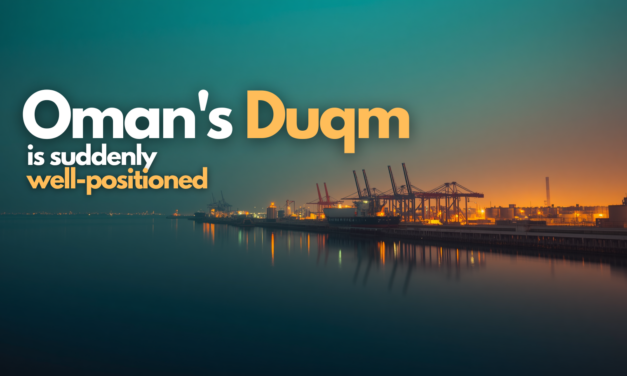
Oman’s Duqm: why the region’s most underrated port is suddenly well-positioned
When the Strait of Hormuz closed in February 2026, Oman’s Port of Duqm was already positioned to absorb the redirected trade. Years of investment in infrastructure, the India-Oman CEPA, and sovereign capital are now paying off
Read More
Blockchain for trade finance: real use cases emerging from the Gulf crisis
Direct conflict, sanctions risk, and a 2.5 trillion dollar global credit gap have pushed Gulf banks past pilot projects. This piece walks through the platforms already moving real money, from Haifin’s invoice fraud detection to the Saudi Central Bank’s entry into mBridge, and what banking directors and treasury executives should watch next as 500 billion dollars in GCC assets prepare to move on-chain by 2030.
Read More
