Tag: UAE
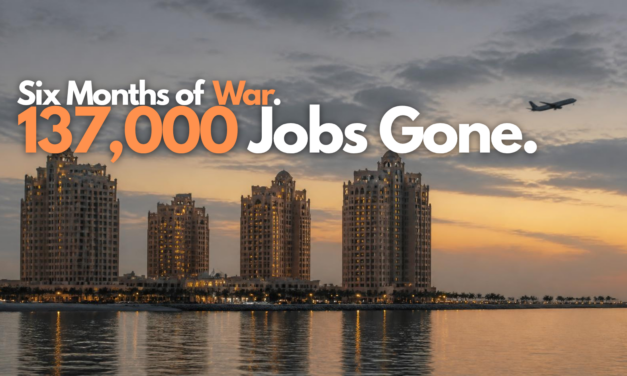
137,000 GCC Tourism Job Losses and What Comes Next
Six months after conflict disrupted regional travel, GCC tourism job losses have reached 137,000 and the labor contraction is still uneven across member states. This piece breaks down where the cuts landed, how SME suppliers are absorbing the financial strain through stretched payment cycles, and how Gulf logistics networks are pivoting toward Asian trade to offset the loss in Western leisure travel.
Read More
AWS Data Center Strikes: The GCC’s New Sovereign Cloud Reality
Six months after drone strikes disabled AWS facilities in the UAE and Bahrain, GCC enterprises are weighing the cost of physical data center hardening against sovereign cloud migration. Here is what changed and what comes next.
Read More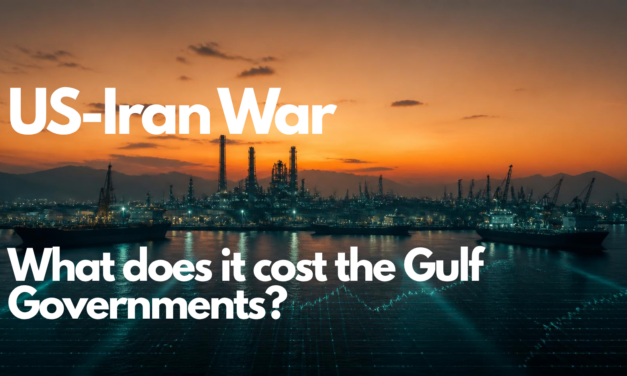
Six Months of War: What It Has Cost Gulf Government Budgets
The Strait of Hormuz closure broke the usual link between high oil prices and full Gulf treasuries. Six months later, Saudi Arabia and Kuwait are running deficits that outpaced their own projections, sovereign wealth funds have redirected capital toward domestic defense, and Oman’s ports have become the region’s only reliable trade route. Here is what the first two quarters actually cost, country by country.
Read More
Gulf Business Pivots and SME Survival: H1 2026 Review
Gulf businesses split into two groups this year. Some restructured early and gained market share. Others waited for old conditions to return and lost ground. This review breaks down the sector divergence, the SME policy tools each country used, and what the venture capital slowdown actually means.
Read More
GCC 2025 Compound Shock: How Gulf Governments Responded
Falling oil prices and new trade tariffs forced Gulf governments to adjust fiscal strategy in 2025. This review compares how Saudi Arabia, the UAE, Oman, and Bahrain each responded.
Read More
How the UAE Splits GCC Green Hydrogen Investment Between Masdar and ADNOC
Abu Dhabi runs two separate strategies inside its green hydrogen investment program. Masdar expands overseas, ADNOC protects domestic cash flow, and each track answers to a different investor. This piece breaks down what the split means for GCC business leaders, industrial buyers, and the SMEs supplying the sector.
Read More
GCC Nationalization Quotas: How Gulf Hiring Rules Changed
Saudi Arabia and the UAE now enforce strict national hiring quotas on private companies. This piece breaks down the compliance rules, the penalties, and how employers are adapting through female STEM recruitment, job restructuring, and regional talent hubs.
Read More
SME AI Adoption in the GCC: What Actually Works on a Small Budget
Enterprise conglomerates are pouring billions into GCC AI infrastructure, but small businesses are working with a fraction of that budget. This piece breaks down the actual funding programs, open-source tools, and compliance steps that let SMEs in Saudi Arabia, the UAE, Oman, and Bahrain adopt AI without the enterprise price tag, plus a four-phase rollout plan operators can start this quarter.
Read More
Which Gulf Industries Are Diverging?
Non-oil sectors across the GCC are growing faster than oil-linked industries, and the gap is widening. This piece breaks down which verticals, from FinTech to green hydrogen, are pulling in capital, and which segments face margin pressure as government budgets concentrate on primary national priorities.
Read More
AI Governance in the Gulf: Budgets Shape the Rules
National budgets, not just policy goals, determine how AI regulation takes shape across the Gulf. Saudi Arabia and the UAE fund sovereign oversight systems and dedicated regulators, setting the pace for the region. Oman and Bahrain manage tighter fiscal constraints and rely on cloud-first, cost-efficient governance instead. This divide raises compliance costs for SMEs and local developers and creates fragmented rules across borders. The article breaks down each country’s approach and gives concrete recommendations for executives and regulators navigating the gap.
Read More
Blockchain for trade finance: real use cases emerging from the Gulf crisis
Direct conflict, sanctions risk, and a 2.5 trillion dollar global credit gap have pushed Gulf banks past pilot projects. This piece walks through the platforms already moving real money, from Haifin’s invoice fraud detection to the Saudi Central Bank’s entry into mBridge, and what banking directors and treasury executives should watch next as 500 billion dollars in GCC assets prepare to move on-chain by 2030.
Read More
Qatar’s LNG Edge: Why Gas Exporters Outlast Oil States
Qatar’s fiscal breakeven sits at $37.88 a barrel by 2030. Kuwait’s sits at $90.50.
That gap is the whole story of how the GCC’s energy exporters handled the 2026 Hormuz disruption differently. Gas exporters lock in revenue through 20-year contracts before spending a dollar on infrastructure. Oil exporters sell into a spot market that moves against them in real time.