Tag: Infrastructure

Programmable Halal Economy in the GCC: How Blockchain Is Changing Trade

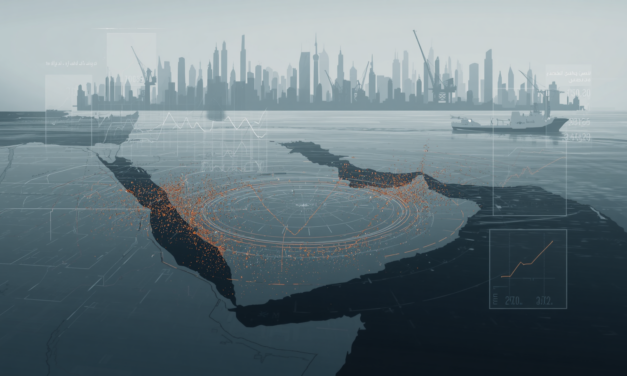
The 2026 Hormuz crisis exposed a critical flaw in global halal trade: verification systems could not keep pace with real-world disruptions. In response, the GCC is moving toward a programmable model where compliance is embedded directly into financial and supply chain infrastructure. By combining blockchain, CBDCs, and Sharia-based validation systems, this new approach ensures that transactions only execute when both commercial and religious conditions are met. The result is faster trade, stronger trust, and a shift from manual certification to system-level enforcement.

Read More
UAE Real Estate 2026: Abu Dhabi vs Dubai Supply Divide Explained Score 0%

UAE Real Estate 2026: Abu Dhabi vs Dubai Supply Divide Explained

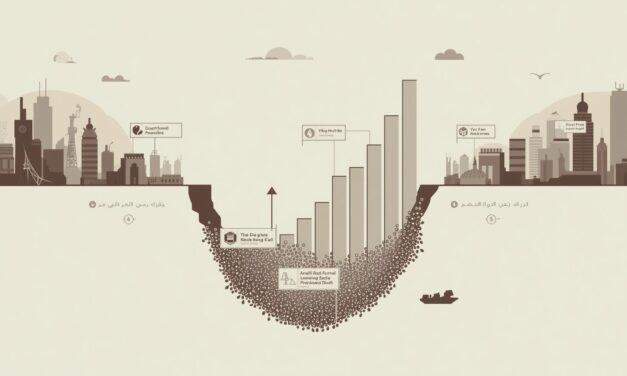
The UAE property market is splitting into two distinct paths in 2026. Abu Dhabi’s limited supply is supporting price stability and rental strength, while Dubai’s large pipeline is creating a more competitive, buyer-driven market. This analysis explains how supply, tenant demand, and infrastructure are now defining real estate performance across both emirates.

Read More

The Hormuz Blockade is Repricing Risk Across GCC Construction

The Strait of Hormuz blockade is disrupting GCC construction at its core. Rising material costs, shipping delays, and shifting contractor dynamics are forcing developers to rethink risk, timelines, and capital allocation. This analysis explains what it means for Dubai and Abu Dhabi’s 2026 property pipeline and which developers are best positioned to withstand a high-cost, high-delay environment.

Read More
GCC Real Estate 2026: Market Resilience Amid Geopolitical Shock Score 0%

GCC Real Estate 2026: Market Resilience Amid Geopolitical Shock

The 2026 conflict triggered a sharp slowdown in GCC real estate activity, but the market did not collapse. Prices remained stable, credit conditions held, and capital continued to move within the region. This article explains why the current phase is a structural stress test, not a crisis, and what it means for investors navigating Dubai, Abu Dhabi, and emerging GCC markets.

Read More

The GCC Super-Highway: How the Riyadh–Dubai–Muscat Corridor Is Removing the Final Barrier to EV Adoption

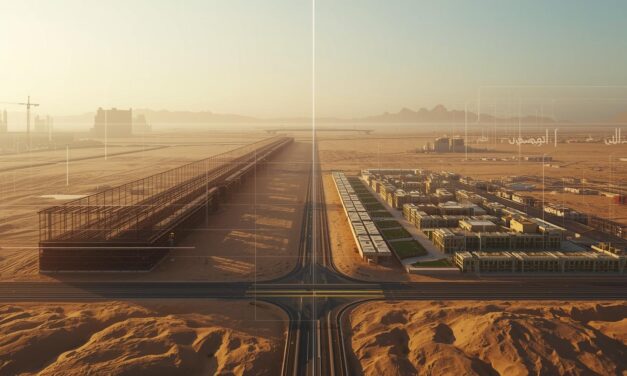
As urban charging density reaches maturity across the GCC, the next test for electric vehicles is long-distance travel. Along the 1,500 km Riyadh–Dubai–Muscat corridor, the UAE, Saudi Arabia, and Oman are building a coordinated network of ultra-fast chargers, grid upgrades, and regulatory mandates designed for reliability across borders and extreme climates. This corridor is emerging as the proving ground for electric mobility at Gulf scale.

Read More

The Missing Middle: Why Oman’s Startups Stop Growing

Oman’s startup ecosystem is growing in number but not in depth. While micro-enterprises continue to expand rapidly, medium-sized firms remain largely stagnant. This analysis explains how tax thresholds, labor regulations, and financing gaps are creating a “missing middle” that prevents Omani businesses from scaling, and why fixing this structural issue is critical for Oman Vision 2040.

Read More
Loading