Tag: AI

AI Governance in the Gulf: Budgets Shape the Rules

National budgets, not just policy goals, determine how AI regulation takes shape across the Gulf. Saudi Arabia and the UAE fund sovereign oversight systems and dedicated regulators, setting the pace for the region. Oman and Bahrain manage tighter fiscal constraints and rely on cloud-first, cost-efficient governance instead. This divide raises compliance costs for SMEs and local developers and creates fragmented rules across borders. The article breaks down each country’s approach and gives concrete recommendations for executives and regulators navigating the gap.

Read More
Blockchain for trade finance: real use cases emerging from the Gulf crisis

Direct conflict, sanctions risk, and a 2.5 trillion dollar global credit gap have pushed Gulf banks past pilot projects. This piece walks through the platforms already moving real money, from Haifin’s invoice fraud detection to the Saudi Central Bank’s entry into mBridge, and what banking directors and treasury executives should watch next as 500 billion dollars in GCC assets prepare to move on-chain by 2030.

Read More

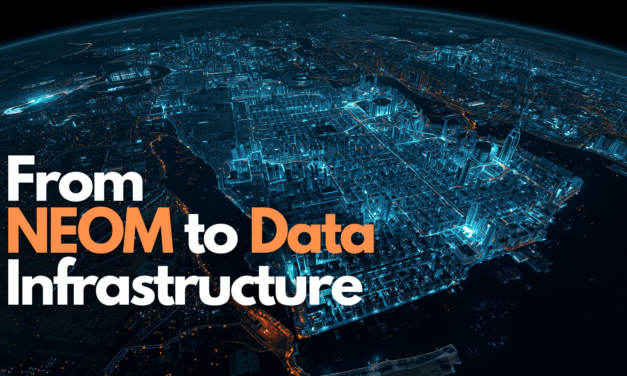
Saudi Arabia’s AI Pivot Inside Vision 2030: Moving Money from NEOM to Data

Saudi Arabia’s Vision 2030 AI strategy has changed course. Construction on The Line has stalled, and the Public Investment Fund is redirecting billions into HUMAIN — a sovereign AI infrastructure vehicle — alongside data centers, GPU procurement, and an Arabic-first language model. For corporate decision-makers across the GCC, this shift moves AI from a speculative investment into a question of operational cost, vendor compliance, and cybersecurity exposure.

Read More
Beyond the Petrodollar Score 0%

Beyond the Petrodollar

The 2026 Strait of Hormuz disruption exposed critical weaknesses in global financial infrastructure. In response, GCC countries are building a sovereign digital settlement system using central bank digital currencies and platforms like mBridge. This shift is changing how trade is executed, reducing reliance on the US dollar, and giving the region greater control over capital flows.

Read More

Programmable Halal Economy in the GCC: How Blockchain Is Changing Trade

The 2026 Hormuz crisis exposed a critical flaw in global halal trade: verification systems could not keep pace with real-world disruptions. In response, the GCC is moving toward a programmable model where compliance is embedded directly into financial and supply chain infrastructure. By combining blockchain, CBDCs, and Sharia-based validation systems, this new approach ensures that transactions only execute when both commercial and religious conditions are met. The result is faster trade, stronger trust, and a shift from manual certification to system-level enforcement.

Read More
Loading