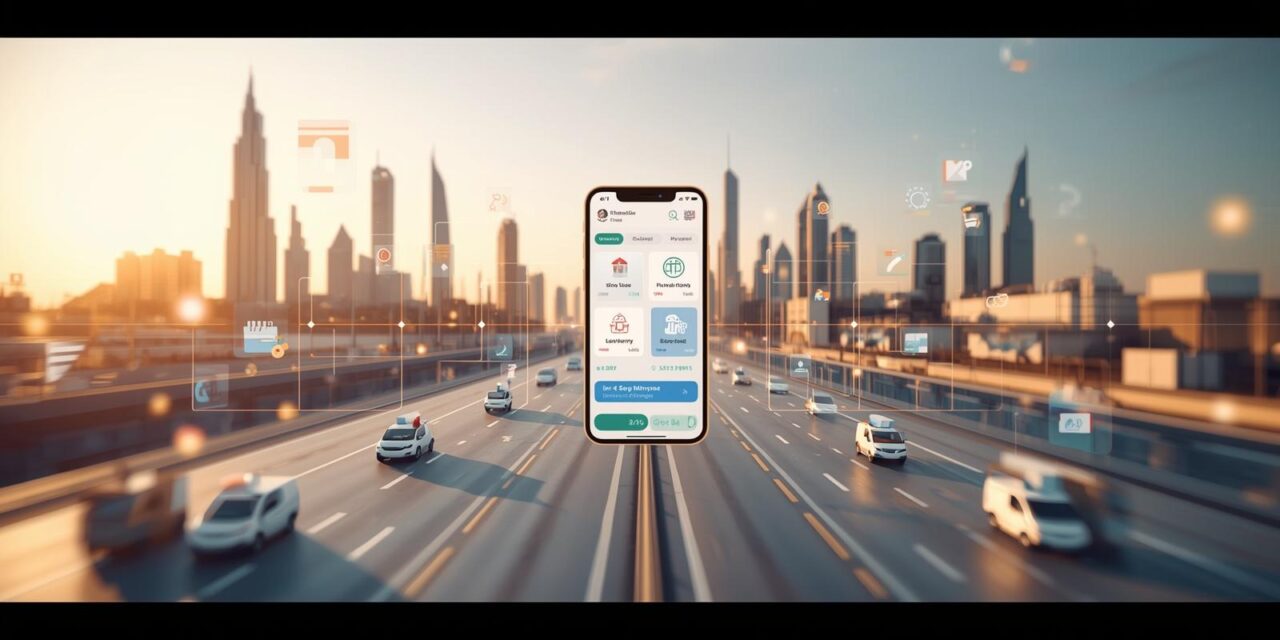
Speed has defined consumer habits in the GCC for more than a decade. Q-Commerce became the natural outcome of that expectation, growing into a market valued at about 14 billion dollars in 2025.
The challenge today is not demand. It is the pressure created by crowded competition, similar products, and short-term discount cycles. Operators are now moving toward broader digital ecosystems that connect services, content, and delivery.
This shift is creating a new phase of growth where the most important link is the connection between the last click and the last mile.
Why Operators Are Looking Beyond Single Service Models
The GCC food aggregator market is on track to reach 26 billion dollars by 2030. Growth has been strong, but margins across the sector are under pressure. Many operators can only move forward by expanding into connected verticals, improving cost control, and growing across markets that reward scale.
There are three clear paths forming across the GCC.
1. The Rise of the Super App Model
Q Commerce companies are building broader utility inside their platforms. Meal delivery is no longer the anchor product. Grocery, pharmacy, beauty, electronics, and personal care have become growth segments with high user frequency. This creates a platform that captures a larger share of the consumer wallet.
Regional operators are already moving in this direction. Careem has continued to add services that range from food to payments. Noon and Jahez are also expanding their product mix. Consumers benefit from a single interface with more everyday services, and companies gain higher retention and lower acquisition costs.
2. Monetization and Cost Control
Continuous discounting reduces margins, so companies are building a more stable economic model. Service fees, in-app advertising, and improved logistics planning are becoming standard. AI tools are being used to plan routes, predict demand, and manage warehouse operations. The aim is to reduce waste and increase the number of completed deliveries per hour.
This approach is helping operators reduce reliance on discounts and move toward healthier EBITDA profiles.
3. Expansion and Market Consolidation
The region currently supports many players, but the long-term market is unlikely to exceed four or five scaled operators. Consolidation is already visible through acquisitions and geographic expansion. Companies that win scale gain better supplier terms, stronger brand visibility, and lower per unit delivery costs.
Cross-border expansion inside the GCC is also more common. Operators with strong positions in Saudi Arabia and the UAE are extending into Oman, Bahrain, and Kuwait to benefit from shared consumer patterns and similar regulatory environments.
Phygital Commerce and the New Source of Demand
A major shift is coming from the GCC creator economy, which is expected to reach 38.5 billion dollars in 2025.
Many creators are moving away from brand sponsorships. They are now selling merchandise, limited products, and event tickets directly to their audiences. This creates a need for fast, accurate delivery systems that support small batches and high order variety.
Creators act like micro retailers. Their storefront is digital, but their product is physical. This connection between online demand and offline fulfillment is the core of ‘Phygital Commerce‘.
The Last Click and the Last Mile
The last click happens when a user completes a purchase on a super app or a creator’s page. The expectation that follows is simple. Delivery should be as fast as the digital experience.
Meeting this standard requires a physical network that uses AI, IoT systems, and robotics to increase speed and consistency. Examples include delivery robots in Dubai communities, smart routing systems in Riyadh, and drone delivery pilots across the UAE. These systems allow operators to handle high order volume with lower operational strain.
This is where the GCC is moving. Digital demand is rising, and physical fulfillment needs to match it without delay.
Conclusion
The next phase of Q-Commerce growth in the GCC belongs to operators that can manage digital platforms and physical distribution as one connected system.
Super apps will play a central role by bringing more services into a single environment. Logistics networks will depend on AI and advanced technology to meet consumer expectations for fast delivery.
Competition will shift from discount battles to strong execution. The companies that align the last click with the last mile will set the pace for the region’s next consumer cycle.